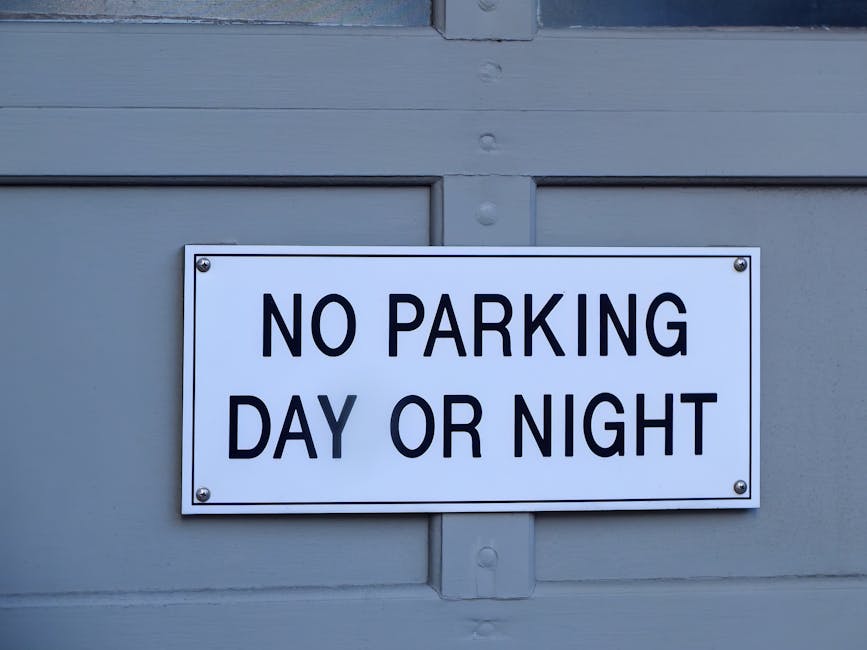
Lambeth Council parking rules for Kennington removals

Moving house in Kennington can feel simple on paper, then suddenly the street outside tells a different story. Narrow roads, shared bays, permit zones, controlled hours, neighbours trying to get out for work, and a van that needs space right now. That is why understanding Lambeth Council parking rules for Kennington removals matters so much. If you get the parking wrong, even a well-organised move can turn into a scramble. If you get it right, the day feels calmer, quicker, and far less expensive. Truth be told, most removal delays in London start with parking, not packing.
This guide explains the practical side of parking for a Kennington move: what usually needs checking, how council-controlled bays affect loading, where permits or dispensations may be relevant, and how to avoid the small mistakes that cause big problems on moving day. You will also find a step-by-step plan, a comparison table, a checklist, and a few realistic examples from the kind of situations people run into around Kennington.
Why Lambeth Council parking rules for Kennington removals matter
Kennington is one of those areas where parking rules are not background noise; they shape the whole move. A removal van needs enough space to stop safely, load without blocking too much traffic, and leave without creating a headache for everyone else. In practice, that means the difference between a smooth load and a long, awkward shuffle of boxes down the street.
Lambeth-controlled streets can include resident bays, pay-and-display areas, timed restrictions, loading-only spaces, yellow lines, and local permit rules. That sounds like a lot because, honestly, it is a lot. But it is manageable once you treat parking as part of the moving plan rather than something to sort out at the curb.
For Kennington removals, the risk is usually not just a parking ticket. It is the knock-on effect: the crew arrives, there is nowhere legal to stop, the nearest bay is occupied, the trolley cannot be used properly, and the schedule starts slipping. By late morning, a half-hour delay can become a whole day of pressure. Nobody enjoys that. Nobody.
If you are arranging a residential move, a flat move, or even a business relocation, it helps to look at the parking side with the same care you would give to packing or keys. That is especially true if you are considering support from a man and van in Kennington or a larger removal service, because vehicle size and stopping time affect what kind of parking setup you need.
Expert summary: For a Kennington move, parking is not just a logistics detail. It is one of the main factors that determines how long the removal takes, how much lifting is required, and how likely it is that the day stays on schedule.
How Lambeth Council parking rules for Kennington removals works
The exact rules vary by street, bay type, and time of day, so the safest approach is always to check the location in advance rather than assuming a van can stop wherever it looks convenient. In London, a removal vehicle often needs one of three things: a legal loading space, a bay that allows loading for the time needed, or a specific parking arrangement that avoids enforcement action.
Here is the plain-English version. If the street has a loading bay, that may help a lot. If it does not, you may need to use a permit bay, a pay parking space, or temporary parking approval depending on what is available and what Lambeth allows for that street. Some bays are fine for loading only during certain times, while others are reserved for residents or restricted by hours. That is where people get caught out. They see a bay, assume it is okay, and then it turns out the sign says otherwise. Classic London move, unfortunately.
For removals, the most important questions are usually:
- Can the vehicle stop legally close to the property?
- Is loading allowed in that bay or street at the time you need it?
- Does the van need to remain stationary for longer than a short loading period?
- Will the vehicle block traffic, footways, dropped kerbs, or driveways?
- Do you need to plan for multiple trips, larger items, or a longer carry distance?
If you are moving from a flat, the parking question often matters even more because stairs, lifts, and narrow entrances already slow everything down. That is one reason people often combine good parking planning with flat removals or packing and unpacking services to keep the day efficient.
One practical point many people miss: a removal van parked legally but badly positioned can still make the job harder than necessary. The ideal spot is not only legal, but also close, safe, and wide enough for the crew to move boxes and furniture without weaving around traffic. That small detail can save a surprising amount of energy.
Key benefits and practical advantages
Getting the parking side right pays off in ways that are easy to underestimate until you have lived through a move. The obvious benefit is avoiding a parking penalty or enforcement issue. But the quieter benefits matter just as much.
- Faster loading and unloading: Less distance from property to van means less lifting and fewer trips.
- Lower stress: No one enjoys checking the windscreen every ten minutes wondering if a ticket has appeared.
- Better time control: The move begins and ends closer to the planned schedule.
- Reduced damage risk: Shorter carry distances mean fewer opportunities for scrapes and knocks.
- Less neighbour friction: Careful parking tends to be less disruptive to people living on the street.
There is also a money angle. Parking mistakes can add costs indirectly through delays, extra labour time, or a second trip if the crew cannot load efficiently. That is one reason careful customers often review pricing and quotes early, so they can understand what is included and what assumptions are being made about access and parking.
And yes, it can make the move feel more human. Less frantic. Less stop-start. You can hear the boxes sliding into place, the tape being torn, the van doors opening and closing in a rhythm that feels organised rather than chaotic. Small thing, but it changes the whole mood.
Who this is for and when it makes sense
This topic matters to anyone planning a move in or out of Kennington, but it is especially useful if any of the following apply:
- You live on a street with limited parking or permit controls.
- You are moving from a top-floor flat or a property with narrow access.
- Your move involves a larger van or truck.
- You need to load bulky furniture, boxes, or fragile items.
- You are arranging a same-day move or tight turnaround.
- You are moving business stock, office equipment, or files.
If you are relocating a workspace, parking becomes even more sensitive because office moves often need timed access, multiple unloads, and smoother coordination between staff and vehicle. In that case, a service like office removals or commercial moves may be more appropriate than a simple ad hoc van hire.
Students, renters, downsizers, and families all face slightly different parking challenges. A student moving out of a shared flat usually needs speed and flexibility. A family move may need more room and longer loading time. A furniture-only collection may need quick curbside access. Different needs, same basic rule: parking should be planned, not improvised.
Step-by-step guidance
Here is a practical way to handle Lambeth Council parking rules for Kennington removals without making life harder than necessary.
- Check the street layout early. Look at the property frontage, bay markings, yellow lines, dropped kerbs, and narrow sections of road. A five-minute look can save an hour later.
- Confirm what kind of parking is available. You need to know whether the nearest option is a loading bay, pay bay, permit bay, or restricted area.
- Match the vehicle to the space. A smaller vehicle such as a removal van may fit where a larger lorry would not. That sounds obvious, but in real life it is one of the biggest differences.
- Build the schedule around access. If parking is tight, allow extra time before the main load begins. Rushing is where mistakes creep in.
- Protect the carry route. Make sure hallways, stairwells, and doorways are clear before the van arrives.
- Keep the driver informed. If the parking position changes, tell the team quickly. No point sending everyone to the wrong side of the building.
- Prepare for a fallback. If your first parking option is taken, know where the next legal stopping point is. Having a plan B is just common sense.
For many people, it helps to divide the move into two parts: parking and packing. You can have the best wrapped boxes in the world, but if the van cannot stop legally nearby, the day still becomes harder. It is one of those annoyingly simple truths.
If you are unsure about how much vehicle support you need, comparing man with a van with larger transport options such as moving truck or removal truck hire can help you choose a setup that fits the street as well as the load.
Expert tips for better results
The best parking plans are boring in the right way. They are simple, quiet, and reliable. Here are a few habits that make a genuine difference in Kennington.
- Visit the property at the same time of day as the move. A street that looks fine at 11am may be completely different at school-run time or late afternoon.
- Think about turning space, not just stopping space. A van can be parked legally and still be awkward to exit if the street is tight.
- Use clear job notes. The more precise your instructions are, the less likely the crew is to waste time circling the block.
- Keep essentials separate. If you need keys, documents, or a kettle for the new place, do not bury them in the back of the van. We have all done that once, and it is never fun.
- Allow for weather. Rain makes carrying slower and more slippery. In London, that usually means about half the year. Slight exaggeration, but not by much.
If you are moving a piano, large wardrobe, or unusually heavy item, parking matters even more because the item handling is more delicate. A specialist service like piano removals or furniture removals can be a sensible way to reduce risk and keep the street-side work controlled.
One small but useful habit: take a quick photo of the parking signs and bay markings on the day before the move. If there is any confusion later, you have a record. Handy, and slightly satisfying too.
Common mistakes to avoid
Most problems are not dramatic. They are small, repeatable oversights that stack up. That is the frustrating bit.
- Assuming the nearest bay is usable. Not every bay allows every type of stopping or loading.
- Forgetting time restrictions. A space that looks perfect at 8am may not work at 10am.
- Underestimating loading time. If you have stairs, heavy furniture, or fragile pieces, allow more time than you think.
- Blocking access without realising it. Driveways, crossings, and emergency access should be respected. Always.
- Choosing the wrong vehicle size. Too large and the street becomes awkward; too small and you may need extra trips.
- Leaving parking planning until the morning of the move. That one causes unnecessary stress almost every time.
Another common issue is not separating legal parking from convenient parking. Those are not the same thing. A move can be legal but still painfully inefficient if the van is two streets away. In a hilly, busy, or tightly parked part of Kennington, that extra walk can really bite.
To be fair, people often focus on boxes because boxes are visible. Parking is invisible until it is suddenly the problem. Then it is very visible indeed.
Tools, resources and recommendations
You do not need a complicated toolkit to plan parking well. What helps most is a calm checklist, a sensible schedule, and honest communication about access.
- Street observation: Walk the route from the front door to the van stop.
- Phone photos: Capture signs, bay lines, and any restrictions that may matter later.
- Property notes: Write down floor level, lift access, doorway width, and whether there is a concierge or entry system.
- Move inventory: A simple list of large items helps estimate how much loading time you will need.
- Parking plan: Note the primary stop point and a backup option.
If you need help getting boxes ready, the combination of packing and boxes with well-planned vehicle access is often the easiest route. And if the move is bigger than a standard household job, looking at removals or even home moves can give you a more organised end-to-end setup.
For people who are short on space between moving out and moving in, storage can also reduce pressure. That is especially useful if parking or key handover timings do not line up neatly. Moving life rarely does, by the way.
Law, compliance, standards, or best practice
This is one of those areas where best practice matters as much as formal rules. London borough parking controls are there to manage safety, traffic flow, access, and fairness between road users. For removals, the practical rule is simple: do not stop where stopping is prohibited, do not assume loading is automatically allowed, and do not rely on guesswork if a sign is unclear.
Because parking restrictions can change by street, bay, day, and time, a careful move should always be planned against the actual signage and local conditions on site. If a vehicle is likely to occupy a restricted space, or if the loading period will be extended, you should factor that into the booking rather than hoping it will work itself out on the day.
Best practice in the removals trade usually includes:
- checking access before the job starts,
- keeping the vehicle legal and appropriately sized,
- avoiding unnecessary obstruction,
- working safely around pedestrians and traffic,
- and respecting neighbours and local enforcement rules.
If you are hiring help, it is sensible to ask how the team handles parking constraints, what size vehicle they expect to use, and whether they build in time for loading delays. A professional answer should feel practical rather than vague. If it sounds hand-wavy, that is a small warning light.
Options, methods, or comparison table
Here is a simple comparison of common approaches for a Kennington move. It is not about which one is always best. It is about what fits the street, the load, and the time window.
| Method | Best for | Pros | Watch-outs |
|---|---|---|---|
| Small van or man and van | Light moves, student moves, smaller flats | Easier to park, often quicker in tight streets | May need multiple trips for bigger loads |
| Standard removal van | Typical household removals | Good balance of capacity and manoeuvrability | Still needs careful parking planning on narrow streets |
| Large truck or removal truck hire | Larger homes, bulky loads, business relocations | More capacity, fewer trips | Harder to position in tight residential roads |
| Planned professional removals | Busy households, fragile items, time-sensitive moves | Better coordination, more predictable access planning | May cost more than a bare-van option |
If you are unsure which route suits your situation, think less about the vehicle in isolation and more about the whole day: parking, walking distance, stairs, and the volume of furniture. A bigger van is not automatically better. Sometimes the right answer is the one that fits the street without drama.
Case study or real-world example
Imagine a couple moving from a second-floor flat near Kennington Park. They have a sofa, a double bed, boxes of kitchenware, and a few fragile lamps. At first, they think they can simply "find a space on the road" on the morning. That sounds reasonable. Until 9:15am arrives, the resident bays are full, and a delivery lorry is already waiting where they hoped to stop.
They adapt. Instead of forcing the issue, they shift the start time by half an hour, use a smaller vehicle, and position the van where loading is legal and the carry route is shortest. They also keep the hallway clear and move the fragile items last so they are not sat in the stairwell while everybody dodges them. Nothing glamorous. Just sensible.
The move still takes work, of course. But it stays calm. No ticket. No shouting at the kerb. No awkward "we'll just have to carry it further" moment. And that last bit really matters when you have a sofa on your hands and a narrow road behind you.
That kind of planning is exactly why many people choose a service structure that includes proper access planning, whether that is a smaller man with a van setup or a fuller house removals service. The vehicle is only half the story. The parking is the other half.
Practical checklist
Use this checklist a day or two before the move. It is simple, but simple is good.
- Confirm the moving date, time, and estimated arrival window.
- Check the street signs and bay markings outside the property.
- Identify the nearest legal stopping point for the vehicle.
- Decide whether a small van, standard van, or larger truck is most realistic.
- Measure or visually assess the carry route from van to front door.
- Clear stairs, hallways, and door thresholds.
- Set aside keys, documents, and essentials in one easy-to-grab bag.
- Prepare a backup parking plan if the first option is occupied.
- Let everyone involved know about any access issues.
- Review the service details and payment expectations in advance through the provider's terms and conditions and payment and security information if you are booking a professional move.
Small checklist, big payoff. And yes, it really does save arguments later.
Get a free quote today and see how much you can save.
Conclusion
Lambeth Council parking rules for Kennington removals may seem like a side issue, but in real life they shape the entire experience. The right parking choice helps the move stay legal, efficient, and less exhausting. The wrong one adds stress before the first box is even lifted.
If you remember only one thing, make it this: plan parking as early as you plan packing. Check the street, match the vehicle to the access, leave a bit of breathing room, and do not assume the easiest-looking space is the right one. That one habit saves a lot of trouble.
Kennington moves can be busy and a bit cramped, sure, but they do not have to be chaotic. With a little prep and the right approach, the day can flow properly. Calmly, even. And that is a very nice feeling when the kettle is still in a box somewhere.
Frequently Asked Questions
Do I need to check Lambeth parking rules before a removals van arrives?
Yes. Even if the street looks straightforward, parking restrictions, bay types, and loading allowances can change the plan quickly. Checking in advance helps you avoid delays and unwanted parking issues.
Can a removals van stop in a loading bay in Kennington?
Sometimes, but not always. It depends on the bay marking, local restrictions, and the time of day. Always check the sign on the street rather than assuming a loading bay is automatically available.
What happens if the nearest parking space is already taken?
You should have a backup plan. That might mean using a different legal bay, adjusting the arrival time, or choosing a smaller vehicle that can fit elsewhere. A good removal plan always leaves room for one surprise.
Is a smaller van better for Kennington removals?
Often, yes, especially on narrow residential streets. A smaller van can be easier to position and may reduce the chance of parking complications. But if your load is large, you may need to balance that against the risk of extra trips.
Do I need special parking arrangements for a flat move?
Not always, but flats often involve longer carry distances, stairs, or shared entrances, which makes parking more important. The closer and more legal the stop, the easier the move usually is.
How far in advance should I plan parking for a house removal?
The earlier the better. A day or two ahead is much safer than leaving it until the morning. If the street is busy or the property is awkward to access, start planning as soon as the move date is fixed.
Can I just use my own car to reserve a space?
You should be careful with that approach. Do not block roads or bays in a way that breaches parking rules. If you need a stopping place for a removal, make sure it is lawful and appropriate for the vehicle being used.
What if my move includes bulky furniture like a piano or large wardrobe?
Then parking and loading space become even more important. Bulky items need a safer, smoother carry route, and it is wise to book specialist help such as piano removals or furniture removals if the items are awkward or heavy.
Are same-day removals harder from a parking point of view?
They can be, simply because there is less time to prepare. If you need a quick move, it helps to use a provider that can respond flexibly, such as same-day removals, and to have a clear parking plan ready beforehand.
What should I tell the removal team before moving day?
Tell them the exact property type, any parking restrictions, whether there are stairs or a lift, what size vehicle can realistically fit, and if there are known access issues. The more precise the information, the smoother the move usually goes.
Is it worth paying more for better parking access planning?
Usually, yes, if your street is tight or the move is large. A bit of planning can save time, reduce stress, and help prevent parking mistakes. In many cases, that is worth more than the small extra cost.
Where can I find help if my move needs more than just a van?
If the job is bigger than simple transport, look at full removal support, including home moves, office removals, and other tailored services. The right setup depends on the load, the property, and how much parking flexibility you have.