Kennington Lane office removals for local shops and cafes
Posted on 06/06/2026
Kennington Lane Office Removals for Local Shops and Cafes: a Practical Local Guide
If you run a shop or cafe on Kennington Lane, moving premises is never just about boxes and a van. It can mean protecting stock, keeping the till running, moving furniture without damaging it, and making sure your customers barely notice the disruption. That is exactly why Kennington Lane office removals for local shops and cafes need a different approach from a standard house move. The job is part logistics, part timing, part common sense - and yes, a little bit of patience helps too.
This guide breaks down how local business moves work in practice, what can go wrong, how to plan around tight streets and opening hours, and what to look for in a removals team that understands London trade premises. If you are comparing options, you may also find it useful to look at office removals in Kennington, removal services in Kennington, and the broader services overview before you decide how much help you need.
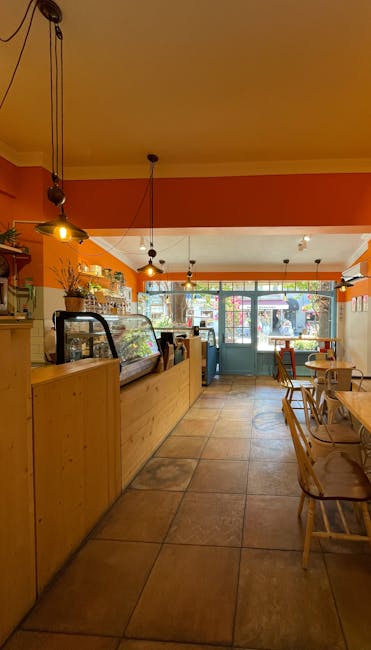
Why Kennington Lane office removals for local shops and cafes Matters
Kennington Lane is one of those places where business moves are shaped by the street itself. You have traffic to think about, delivery windows, footfall, neighbouring businesses, and the simple reality that shopfronts and cafe spaces are often compact. A move that looks straightforward on paper can become awkward very quickly if the team turns up without a plan.
For shops and cafes, the stakes are a bit different from a regular office relocation. Stock may be perishable. Display furniture may be custom-made. Coffee machines, fridges, POS systems, and shelving can be heavy, awkward, or sensitive. There is also the reputational side of it. If customers arrive to see clutter, missed collections, or a half-finished strip-out, that affects trust. People notice. They always do.
That is why local removals should be built around continuity. The goal is not just to move items from A to B. It is to protect trade, reduce downtime, and keep your reopening day realistic rather than optimistic. In our experience, the best results come when the move is treated as a staged project, not a one-day scramble.
Expert summary: For shops and cafes on Kennington Lane, a good removal plan is really a business continuity plan in disguise. Protect stock, schedule around trading hours, and leave extra time for access, loading, and setup.
If you are still deciding whether you need a full team or a lighter moving setup, the team behind removal companies in Kennington and man with van Kennington options can help you judge the right scale for the job.
How Kennington Lane office removals for local shops and cafes Works
A well-run business move usually follows a simple structure, though the details matter. First comes planning. Then packing. Then collection, transport, and final placement at the new site. Sounds basic, but the difference between a smooth move and a stressful one is usually hidden in the preparation.
For a shop or cafe, the process often starts with a walk-through. That might mean checking both premises, noting access points, measuring doorways, stairwells, lifts, and parking restrictions, and identifying any items that need specialist handling. A display fridge is not the same as a stack of chairs. A pastry case is not the same as a bundle of folded tables. You get the idea.
On Kennington Lane, access planning is especially important. If a van cannot stop close enough, everything takes longer. If your move is happening near opening hours, a tight schedule can unravel pretty quickly. That is why local knowledge matters. It helps to have movers who understand the rhythm of the area and know how to work around busy roads, residential neighbours, and narrow loading spaces.
The actual move day often includes a few practical stages:
- Pre-move confirmation of times, access, and any special handling notes.
- Protective wrapping for furniture, counters, machines, and fragile stock.
- Disassembly of shelving, tables, or modular office fittings where needed.
- Loading in a sensible order so priority items arrive first.
- Transport and unloading with placement agreed in advance.
- Final checks to make sure nothing has been left behind or damaged.
Sometimes the move is combined with storage if the new site is not quite ready. That is where storage in Kennington can be useful, especially if you are waiting on fit-out work or staggered delivery of stock. It is not glamorous, but it can save a lot of hassle. Truth be told, storage has rescued more than one rushed opening.
Key Benefits and Practical Advantages
The main benefit of using a specialist removals team for a Kennington Lane shop or cafe is that you are buying predictability. And in business moves, predictability is gold. There are a few other advantages worth spelling out clearly.
- Less downtime: good planning means fewer trading hours lost.
- Lower damage risk: proper lifting and wrapping protect expensive kit.
- Better stock control: items are packed by category and priority.
- Cleaner handover: you can leave the old premises in better order.
- More control over timing: early mornings, evenings, or off-peak moves are easier to manage.
There is also the psychological benefit. That may sound soft, but it matters. Owners and managers are often trying to keep staff calm while still serving customers and dealing with suppliers. A structured move takes pressure off everyone. A few clear decisions made early can remove a surprising amount of tension.
For smaller businesses, a flexible setup can be especially useful. A lighter move using man and van Kennington or man and a van Kennington may suit a compact cafe, kiosk, or boutique shop where there is not much to relocate. Bigger sites or multi-room premises often benefit from a more formal removals Kennington approach with a larger team.
Who This Is For and When It Makes Sense
This kind of removal service is for more than just "office" tenants. In real life, a shop or cafe often has many of the same moving needs as a workplace, plus a few extras. If you store paperwork, use tills and computers, keep seating or display units on site, or operate from a mixed-use space, this guide applies to you.
It makes sense when you are:
- opening a new unit on or near Kennington Lane;
- relocating a cafe to a better-footfall spot;
- moving a shop after a lease change;
- refitting a premises and need a temporary clear-out;
- combining stock relocation with furniture transport;
- downsizing and need help deciding what stays and what goes;
- moving quickly because your timetable has, let's face it, gone a bit sideways.
Not every move needs a full crew. Sometimes the better answer is a hybrid one: a smaller vehicle for the critical items, plus storage for overflow, plus a later second run. That approach is often more practical than trying to make one heroic journey do everything.
If your business move is tied to a property transition, you may also find these local pages useful: Kennington property market insights and a smart property purchase guide for Kennington. They are written for homeowners, but the local context can still help if your commercial move sits inside a wider lease or location change.
Step-by-Step Guidance
Here is a practical way to handle the move without losing the plot halfway through.
1. Start with the business calendar
Choose a move window that protects trading as much as possible. For cafes, that may mean very early mornings. For retail shops, a weekday when footfall is typically lower might work better. Avoid inventing an impossible timetable. Everyone says, "we can do it in one morning," until the espresso machine needs disconnecting and the stock room is buried under packaging.
2. Make a room-by-room or zone-by-zone inventory
Write down what is moving, what is being discarded, and what is staying. For a cafe, separate kitchen equipment, front-of-house furniture, dry goods, and paperwork. For a shop, separate display stock, fixtures, tills, branded materials, and back-office items. This saves time later and stops things being packed in the wrong order.
3. Flag delicate and high-value items early
Cash drawers, tablets, coffee machines, glass shelves, mirrors, and custom counters need extra care. If you have awkward items, mention them before move day, not during the loading run when the van is already half full. That little conversation earlier can save a lot of head-scratching later.
4. Confirm access at both ends
Check parking, loading bays, narrow entrances, stair access, and any height restrictions. Kennington Lane and the surrounding streets can be busy, and local access is rarely a thing to "sort on the day." If the mover knows the layout in advance, the whole move becomes calmer.
5. Label everything properly
Use simple labels such as front counter, stock room, glassware, till desk, or reopen first. This is not glamorous work, but it speeds up unloading and setup massively. One box with the wrong label can waste fifteen minutes. Ten boxes can wreck a morning.
6. Plan unpacking before the van leaves
Think about where the coffee machine goes, where the till should sit, and which boxes need to be opened first. A good move is not just about getting out of one place. It is about being ready to trade again as quickly as possible.
Expert Tips for Better Results
These are the small things that tend to make a big difference.
- Keep one "first-hour" box: tape, charger, keys, basic tools, cloths, labels, and a pen should all be within reach.
- Move in layers: move core business essentials first, decorative or less urgent items after.
- Photograph setups before dismantling: especially shelves, cable runs, and machine arrangements. You will thank yourself later.
- Use the right vehicle size: too small means repeat trips; too large can be awkward on tight streets. Balance matters.
- Schedule a final sweep: check the counter drawers, kitchen corners, storage cupboards, and behind display units.
If you are moving somewhere with limited loading space, you may want to read the local access advice in the Kennington Road tight-access guide. It is especially relevant if your premises sit in a spot where parking is fiddly or turning room is limited.
Also, do not underestimate the value of a calm packer. A steady person with tape and labels can prevent more chaos than three people rushing around with no system. That sounds obvious, but in the middle of a move it is easy to forget. We all do it.

Common Mistakes to Avoid
A few errors come up over and over again. The good news is that most are avoidable if you spot them early.
- Underestimating access issues: a van can be ready, but the street can still be the problem.
- Packing too late: leaving stock, cables, and paperwork to the last minute creates confusion.
- Mixing essentials with low-priority items: that turns unpacking into a treasure hunt nobody asked for.
- Ignoring disposal needs: old fixtures, broken chairs, and packaging often need a separate decision.
- Not checking insurance and handling terms: always know what is covered and what is not.
- Forgetting staff communication: even a good move can feel messy if the team does not know the plan.
One common trap is assuming a cafe move is "just furniture." It rarely is. There are machines, fragile items, branded display pieces, cleaning supplies, and small but important tools that can vanish into the wrong box. Not dramatic, just annoying. Very annoying.
If your move also involves bulky stock or fixtures, it can help to review furniture removals in Kennington and the wider removal van Kennington options so you know what scale of transport makes sense.
Tools, Resources and Recommendations
You do not need a warehouse full of equipment to move well, but a few basic tools make life much easier.
- strong boxes in several sizes;
- packing tape and a spare roll or two;
- marker pens for clear labels;
- bubble wrap or protective paper for fragile items;
- blankets or covers for furniture and machines;
- zip bags for screws, shelf pins, and small fittings;
- basic hand tools for disassembly and reassembly;
- inventory sheets or a simple checklist on paper.
For packing support, packing and boxes in Kennington is a sensible place to start. If you need an especially fast turnaround, same day removals in Kennington may be useful for urgent business changes, though it is always better to plan ahead where possible.
One more practical recommendation: keep critical documents and digital equipment separate from general stock wherever possible. If a box contains the till cable, card reader adapter, and the notebook with supplier details, label it as if your opening day depends on it. Because, well, it probably does.
Law, Compliance, Standards, or Best Practice
Commercial and mixed-use moves often touch on health and safety, waste handling, insurance, and access rules. You do not need to become a compliance expert overnight, but you should be clear on the basics.
In the UK, sensible best practice usually includes:
- safe manual handling for heavy or awkward items;
- clear access planning so loading does not create avoidable risk;
- adequate insurance for transport and handling;
- careful disposal of unwanted fittings, packaging, and waste;
- staff awareness so no one walks into an unfinished moving area by accident.
If your business uses refrigeration, coffee equipment, or anything that requires safe disconnection, make sure the process is handled by the right person. It sounds obvious, but in real moves people sometimes rush straight into unplugging things they really should not. That is where delays and headaches begin.
It is also worth checking terms, payment handling, and insurance details before booking. Helpful supporting pages include insurance and safety, payment and security, and terms and conditions. For broader reassurance about the company itself, you can also review about us and the health and safety policy.
As for sustainability, many local businesses now prefer to avoid unnecessary waste where possible. Reuse, recycle, and donate where appropriate. If that is part of your decision-making, the page on recycling and sustainability is worth a look.
Options, Methods, or Comparison Table
Not every move needs the same level of support. Here is a practical comparison of common approaches for small business removals.
| Option | Best for | Pros | Trade-offs |
|---|---|---|---|
| Man and van | Small cafe moves, light shop stock, short-distance relocations | Flexible, often efficient, good for compact loads | May not suit large fittings or multiple priority runs |
| Full removals team | Larger shops, multi-room premises, heavier furniture | More structured, better for complex handling | Usually more planning required |
| Move with storage | Fit-outs, staged openings, temporary closures | Reduces pressure when the new site is not ready | Needs extra coordination and longer timeline |
| Same-day move | Urgent relocations or last-minute access changes | Fast response, useful in a pinch | Less forgiving if packing is not prepared |
For a small independent cafe, a lighter move may be perfect. For a retail unit with shelving, heavier stock, and display furniture, a fuller service is usually the calmer choice. If you are not sure, ask for an assessment rather than guessing. Guessing is how moving days become unnecessarily dramatic.
Case Study or Real-World Example
Imagine a small cafe on Kennington Lane moving two streets away to a slightly larger unit with better visibility. The owners need to relocate tables, a counter, a coffee machine, chilled storage, dry goods, and a small back-office setup. They also want the move done with minimal closure time because footfall is strongest at the weekend.
The sensible plan would be to pack and label by function rather than by room alone. Front-of-house furniture goes together. Coffee equipment is wrapped and separated. Dry goods are boxed clearly and placed near the loading point first. The till, card reader, and important documents are kept in a priority box so they are not buried under crockery or spare chairs.
On the move day, the team would focus on access first. If the van needs a tight manoeuvre, timing matters. If the pavement is busy, items need to be moved in a tidy, controlled sequence. Once at the new site, the first job is to place the core operating items: counter, machine, till, and initial seating. The decorative bits can wait a little. The important thing is to reopen smoothly, not to achieve interior-design perfection before lunch.
That kind of move may sound simple, but the difference between a decent opening and a stressful one is often just planning. A bit of structure upfront saves hours later. Sometimes that is all it takes.
Practical Checklist
Use this checklist as your pre-move sanity check.
- Confirm move date, start time, and access arrangements.
- List every item to move, store, donate, or dispose of.
- Separate stock, furniture, tech, and documents.
- Label boxes with room, priority, and fragility notes.
- Measure doors, stairs, lifts, and van access if needed.
- Protect fragile items and loose fittings properly.
- Back up digital files and secure payment equipment.
- Tell staff what to pack, what not to touch, and where to meet.
- Check insurance, payment terms, and service expectations.
- Leave time for a final sweep of drawers, cupboards, and storage areas.
Quick rule of thumb: if an item is essential to opening, serving, or taking payment, it should be packed last and unpacked first. Simple, but easy to forget in the rush.
Get a free quote today and see how much you can save.
Conclusion
Kennington Lane office removals for local shops and cafes are really about protecting your business while you move it. The right plan keeps stock safe, reduces downtime, and helps you reopen with confidence rather than crossed fingers. Whether you are shifting a small cafe setup, a compact retail unit, or a mixed business space, the winning formula is the same: plan early, label clearly, and choose the level of help that matches the job.
It also helps to work with people who understand local access, loading realities, and the pressure of trading schedules. That local understanding can save time, reduce stress, and make the whole process feel a lot less like a gamble. And honestly, when you are trying to keep a business moving, calm is underrated.
If you are ready to talk through the details, a good next step is to review the relevant service pages, check what support fits your move, and then make an enquiry through the contact page. A well-planned move is never effortless, but it can absolutely be manageable. Sometimes even smooth. Which, in a busy London street, is no small thing.